GAIN WEIGHT
HOW MUCH CALORIES REQUIRED
| Bodyweight | Light Activity | Moderate Activity | Heavy Activity |
|---|---|---|---|
| 100lbs | 1500 | 1935 | 2400 |
| 100lbs | 1500 | 1935 | 2400 |
| 125lbs | 1650 | 2185 | 2650 |
| 150lbs | 1850 | 2435 | 2900 |
| 175lbs | 2050 | 2785 | 3200 |
| 200lbs | 2300 | 3130 | 3500 |
Although weight-loss strategies are ubiquitous in the fitness industry, not every person in the world has that goal. In fact, questions about the best ways to gain weight pop up more often than you might think. Skinny teenagers, underweight adults, and hard gainers of all stripes scour the Internet for ways to put on muscle.
Sound familiar? Then you’re in the right place.
HOW TO GAIN WEIGHT:
- Eat more calories than you expend.
- Eat nutrient-dense, calorie-rich food.
- Increase dietary fat intake.
- Add a weight-gainer supplement.
- Lift heavy weight.
If you’re a hardgainer yourself, you’ve probably already heard the golden rule of weight gain: Eat up. We know, we know: You just can’t eat anymore. You hate feeling uncomfortable. You don’t like filling yourself with pizza and hamburgers.
We get that eating a lot isn’t an easy job. But, really, the simplest way we can explain how to gain weight is exactly what you’ve heard over and over: eat lots of food, train heavy, and supplement smart.
WEIGHT GAIN: THE REAL STORY
The reason you keep hearing the same advice is because putting on some pounds is really a simple matter of consuming more calories than you burn. Now, we all know at least one person who has made the mistake of eating a lot more than necessary, not exercising, and packing on lots and lots of excess fat. That’s not what we’re here to do. We want to give you the tools so you can eat just enough calories to put on some muscle, but not enough to put on a lot of excess fat.
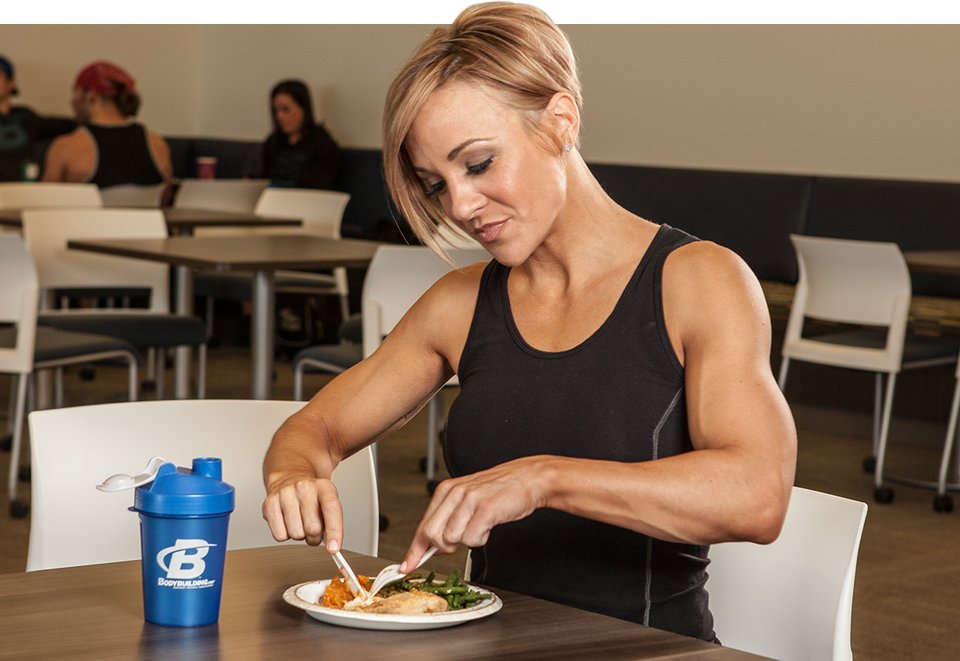
We want to give you the tools so you can eat just enough calories to put on some muscle, but not enough to put on a lot of excess fat.
Be aware, though, that increasing the calories you eat in order to increase your muscle mass will also bring some extra fat mass. Don’t panic. With the right type of exercise, the fat gain can be minimal. And remember, if you’ve been struggling to gain weight, it’s highly unlikely that you’ll put on 20 pounds of unwanted fat.
To figure out how many calories you’ll need to put on some weight, use to the calculator found at this article determine your total daily energy expenditure (TDEE).
Add at least 500 calories to the number it spits out. Continue eating at least 500 over your TDEE for a couple weeks to see what happens.
If you don’t notice any changes, feel free to increase to 750 or even 1000 extra calories per day. If you notice weight gain happening too quickly, then lower your calories down to 200 or 300 extra per day. Realistically, you can expect an increase of 0.5-1.5 pounds in body weight each week. If you’re nowhere near that range, adjust your calorie intake.
The biggest issue people have when trying to put on muscle is the sheer amount of food they have to consume. You’re definitely going to have to eat a lot of calories, but there are a few tricks you can utilize to decrease the volume of food you have to chew and swallow. That way, you’ll get more calories per bite and feel less like an overstuffed teddy bear.
BE CALORIE SMART
Do your best to consume nutrient-dense, calorie-rich food. Fats and oils, nuts and seeds, avocado, red meat, whole eggs, full-fat dairy, and oily fish are great choices for getting a lot of calories without having to fill your stomach to the brim. Don’t waste your time trying to fill up on gummy bears or saltine crackers—they just don’t provide enough calories or nutrients to be worth the effort.
That said, it’s also important that you let go of the mindset that you need to eat 2-4 grams of protein per pound of body weight. No scientific evidence suggests that eating all that extra protein will increase muscle mass—plus, that kind of diet can get pretty expensive. The 40/40/20 bodybuilder split just may not be the right choice for you.
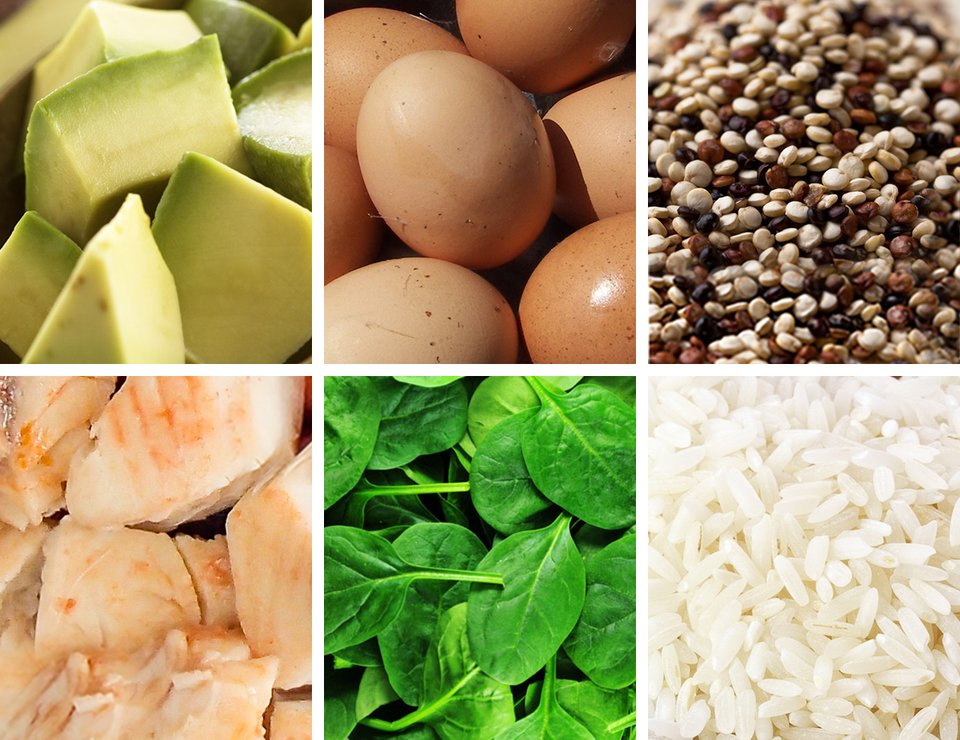
Fats and oils, nuts and seeds, avocado, red meat, whole eggs, full-fat dairy, and oily fish are great choices for getting a lot of calories without having to fill your stomach to the brim.
Carbohydrates can offer the same calorie count per gram as protein, but they are less satiating. So, don’t be afraid to add some extra carbs to your meals. As you do, though, choose carbs that have lower fiber content so you don’t fill up as quickly. We like noodles, white rice, bread, and fruit.
And watch out for fruits and veggies with a high water content. While they may be a great source for vitamins and minerals, all that extra water can leave you feeling full and lessen the chance you’ll be going back for seconds. If you’re worried about coming up short on your micronutrients, we recommend a daily multivitamin.
HAVE FUN WITH FAT
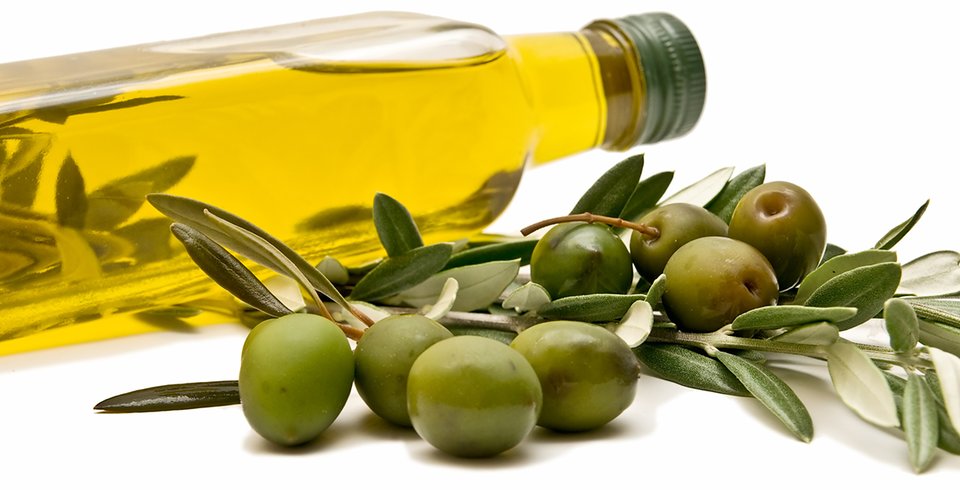
Fat is a smart choice for your weight-gaining diet because it has twice the number of calories per gram than protein and carbs. Also, fat has the lowest thermic effect of food compared to carbs and protein. In other words, your body burns anywhere from 5-30 percent fewer calories digesting fats than it does the other two macronutrients.[1,2]
An easy way to up your diet’s fat content is to cook your meat and vegetables in olive, coconut, or other calorie-rich oils. In a pinch, add a little oil to your protein shake.
You can also sneak in some extra fat with your selection of protein. Opt for 80/20 ground beef, chicken thighs over chicken breasts, and look for a little more marbling in your steaks. Good options include rib-eye and T-bone.
Concerned about too much fat and cholesterol in your diet? Don’t be! Recent findings suggest little evidence linking fat intake to cardiovascular disease. While you still want to be mindful of your saturated fat intake, don’t fear the fat!
EXTRA CALORIES MAKE EXTRA POUNDS
As you plan your meals for weight gain, remember that you don’t have to follow the no-salt, no-butter, no-flavor rules most competitive bodybuilders follow. Add gravy, sauces, creamy dressings, and other seasonings to your food. Not only do these extras make the food taste better so you’ll want to eat more, they add ever-necessary calories.
We also suggest choosing foods that require little cutting and chewing. So, instead of always having steak, eat ground beef or pulled pork.
Eating in a calorie surplus is no easy feat, and if you’re serious about packing on the pounds, you’re going to have to eat every 2-3 hours. This will require you to do a little planning ahead, but easy snacks to take on the go include trail mix, granola, peanut butter sandwiches, protein shakes, and bagels. And get yourself a weight-gainer to mix up a daily protein shake with milk.
LIFTING TO BUILD
Once you have your nutrition figured out, you can make some tweaks to your exercise regimen. Really, any resistance-training protocol will help you build muscle, especially if you’re supporting lifting weights with a lot of calories. But if you want to put on some noticeable muscle mass, stick with strength and hypertrophy protocols.
Hypertrophy-based protocols require 3-4 sets using a moderate weight—around 70-80 percent of your one-rep max. This type of training has been shown to cause significant increases in the muscle-building hormones testosterone and growth hormone.[3] Train hard, but make sure you’re giving yourself enough rest in between sets—around 1-2 minutes—to make your workouts less metabolically challenging.
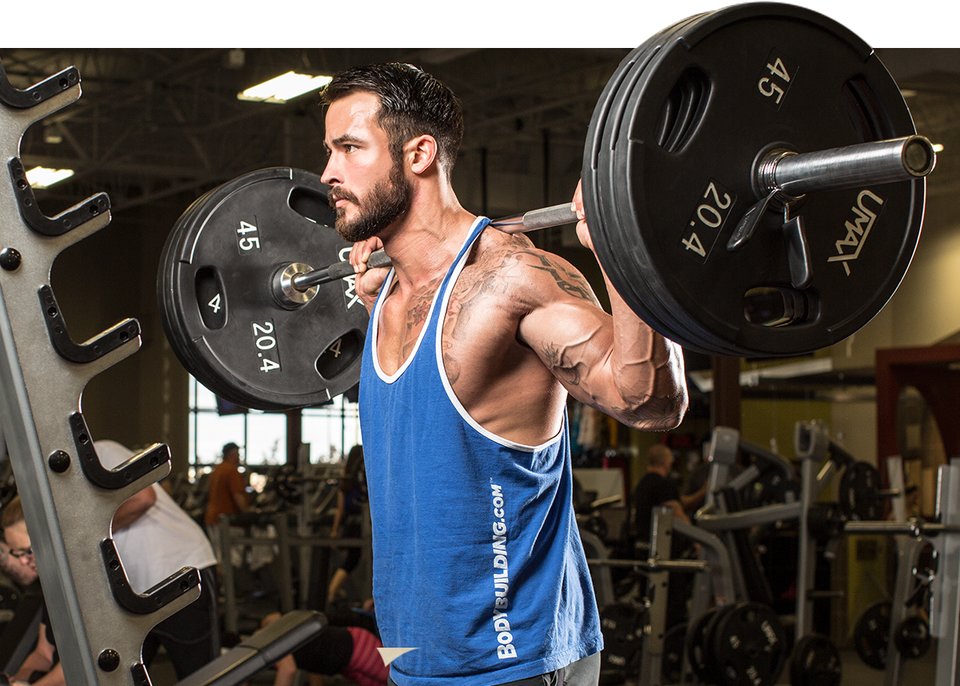
Any resistance-training protocol will help you build muscle, especially if you’re supporting lifting weights with a lot of calories. But if you want to put on some noticeable muscle mass, stick with strength and hypertrophy protocols.
Yes, increasing your rest periods will increase your gym time, so you may need to limit the number of exercises you perform during your workouts. Think more like a powerlifter—use big weight and take long breaks between sets. Try to get your heart rate down before you begin your next set. Keeping your heart rate lowered will help you protect those calories you’re eating so you don’t use them all when you train.
Exercise selection is just as important as the number of sets you do. We think big lifts like the squat, bench press, deadlift, row, and shoulder press are the best for packing on the most mass. However, you can still do single-joint work. Even leg extensions and leg curls can help increase strength and size, albeit not as much as compound movements.[4] If you do both types of lifting, do the movements that target the largest muscle groups first, and save the isolation exercises for later in your workout.
The great thing about having all those extra calories in your body is you will feel great in the gym. Use the extra energy to put up some bigger weight and train more days during the week. It might feel like your new job is to eat and train—that means you’re on the right track.
SUPPS HELP!
Supplements were created for a reason: Everybody needs a little help now and then. Putting on muscle can be just as much work as trying to lose 30 extra pounds of fat. Adding some simple supplements to your diet can make life just a little easier. Consider the following:
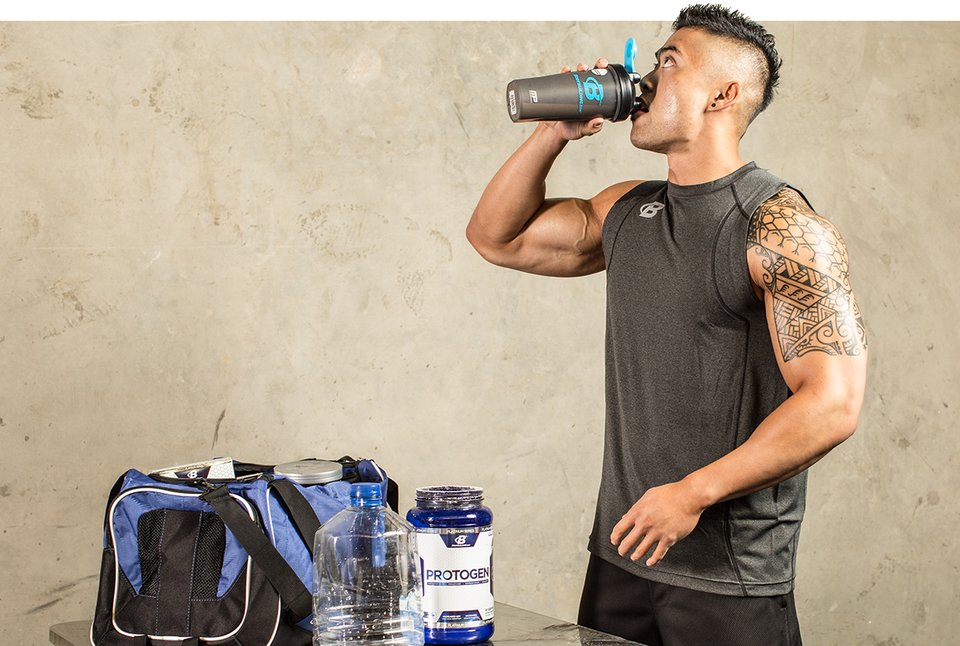
WEIGHT GAINER
It’s a good idea to invest in a weight-gainer supplement. Weight gainers often come loaded with protein, carbs, and fat so you can increase your calorie intake without having to work very hard. With some products, you can consume more than 1,000 calories in a single serving! If you choose to purchase, read the label and choose carefully.
CREATINE
Creatine helps increase your performance in the gym. Usually, that means you’ll feel stronger and lift more weight. More weight on the barbell generally equals more muscle.[5] Taking a creatine supplement will also draw water into your cells, effectively making your muscles a little bigger. Creatine is one of the best-studied supplements on the market. There’s really no reason notto take it. We suggest 5-10 grams per day.
DEXTROSE
Really, the more calories you can get into your diet, the better. So, if you’re already drinking a pre- and post-workout shake, or even drinking BCAAsduring your workouts, adding some carbs to them can’t hurt. Dextrose is pretty cheap, too, so you can get a lot without breaking the bank.
ZMA
If you want your muscles to grow, you need to give them time to recover from workouts. ZMAis one of the leading supplements for overnight muscle repair and recovery. A combination of zinc, magnesium, and vitamin B-6, ZMA is best taken before you call it lights out. ZMA has been shown to be an effective supplement for enhancing muscle recovery and boosting muscle size and strength.[6,7]
MORE TIPS FOR GAINING WEIGHT
Eating, training, and supplementing should make up the backbone of your weight-gaining endeavors, but these other helpful tips can make the whole process more efficient.
1. GET SOME SLEEP
As in any fitness regimen, sleeping is an imperative part of the recovery process. Your muscles don’t grow when you’re in the gym—they grow when you’re resting—so make sure you spend enough time catching z’s.

Your muscles don’t grow when you’re in the gym—they grow when you’re resting—so make sure you spend enough time catching z’s.
Skipping out on shut-eye can also increase cortisol levels in your body over time.[8] Cortisol is a stress hormone produced by your adrenal glands that can stimulate muscle breakdown. One of the best ways to keep that from happening is to spend more hours with your head on a pillow.
2. GO OUT TO EAT
Most restaurants serve meals that are much more calorie-rich than what you’d cook at home. If you’re an in-season bodybuilder, it’s common practice to stay away from restaurants that won’t serve plain chicken breast and vegetables. But because you’re in the calorie-surplus game, you can forget all those rules and order the butter-filled, sauce-laden meal of your dreams.
If you have the money to spend on restaurant meals, go for it. You’ll get a lot of food and a lot of calories that taste way better than the food you’d cook at home, unless you really know what you’re doing in the kitchen.
3. FOLLOW THAT ICE CREAM TRUCK

Want an extra treat? Eat it. Your muscles aren’t really picky about what type of calories they consume. Eating treats like ice cream can be a delicious way to add calories into your diet.
Now, we’re not telling you to forgo all the things you learned in your nutrition class about sugar. Refined sugar, especially in large doses, is still unhealthy.
So don’t think drinking a gallon of Coke every day will provide anything other than a gut—and eventually, type 2 diabetes.
4. GO BIG
One of the tricks for losing weight is to put food on small dishes so it looks like you’re eating more than you are. Well, we think the same thing will work for putting on pounds. The only difference is we’re swapping a baby plate for a giant one.
If you have bigger plates in your cabinet, use them. Same with your glasswear: Put away those 8-ounce glasses and pull out those 12- or 16-ounce tumblers and fill ’em up!
5. BE PATIENT
Putting on muscle is not a fast process. It takes a lot of time and it takes a lot of consistency. Give yourself a few months of work before you quit the whole process. If you understand that going in, you’ll be much less likely to get frustrated before your body has time to respond to the food and training.
6. KEEP TRACK
Log your food, your workouts, your weight, changes you see in the mirror, and how you feel.

Bodyspace can help you keep track your food intake, workouts, and progress.
If you have no way of measuring progress, it can be almost impossible to know if you’re moving forward, backward, or just spinning your wheels.